A Soundscape Safari
Learning the Chobe’s Soundtrack
On the Chobe River, sound travels further than you expect, carrying calls and movement from one side of the river to the other. As you move slowly, often drifting, there is time to notice these details.
From your balcony on the Zambezi Queen or one of the Chobe Princess houseboats, the day begins in stillness. As the river starts waking up, it’s a natural time to pause. Instead of searching for wildlife straight away, you begin by listening. A distant call across the water, a branch snapping, a low rumble or slight whirring sounds within the reeds sitting along the banks. These small sounds become your first clues, and start shaping your experience.
Why a Soundscape Safari Feels More Authentic
- You see what happens before the sighting
- You understand animal behaviour
- You stay with the moment after it unfolds
- You experience nature as it was intended
The Chobe’s Signature Sounds
On the Chobe River, every sound links to something. It can be an animal, a movement or a shift in the environment itself. If you pause and listen, you start to pick up on patterns. The more you understand these cues, the easier it becomes to work out what is happening around you.
The Reeds
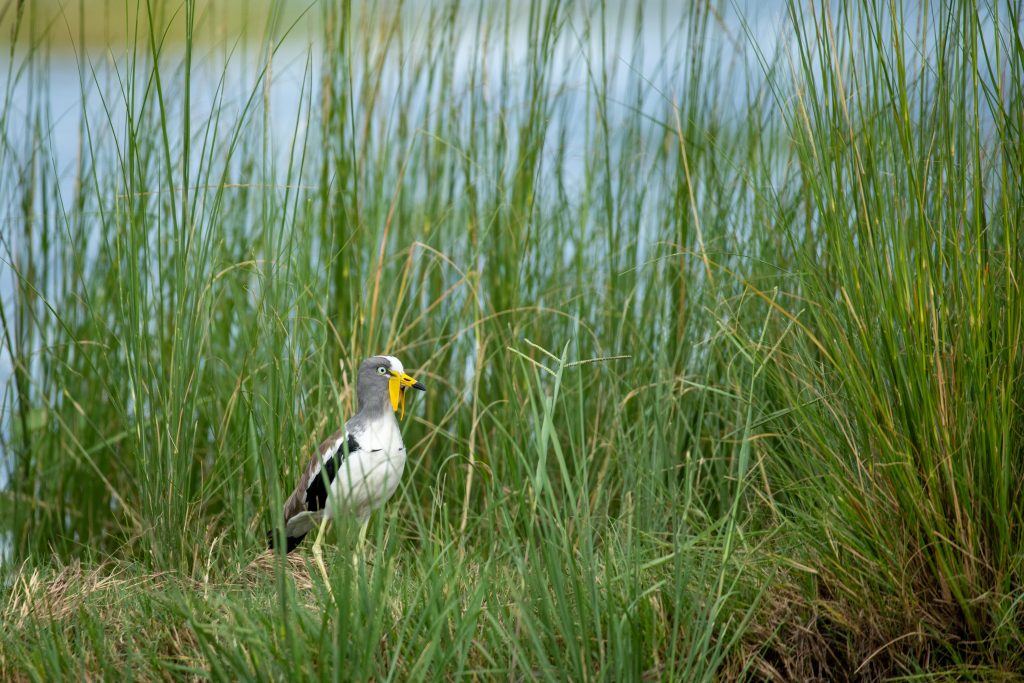
Along the banks, the reeds are never silent. They offer cover and a sense of safety, so there’s almost always something moving within them, even if you can’t see it. Most of the time, its just a soft whisper as the breeze passes through. But every so often, the sound changes. A rustle that feels slightly out of place, a slower, heavier movement that carries just a little further before everything settles again. It’s subtle, but it draws your attention.
You find yourself listening a bit more closely, trying to place it. There’s a sense of curiosity in it, perhaps even a hint of unease, knowing something is there but just out of sight.
The Wildlife
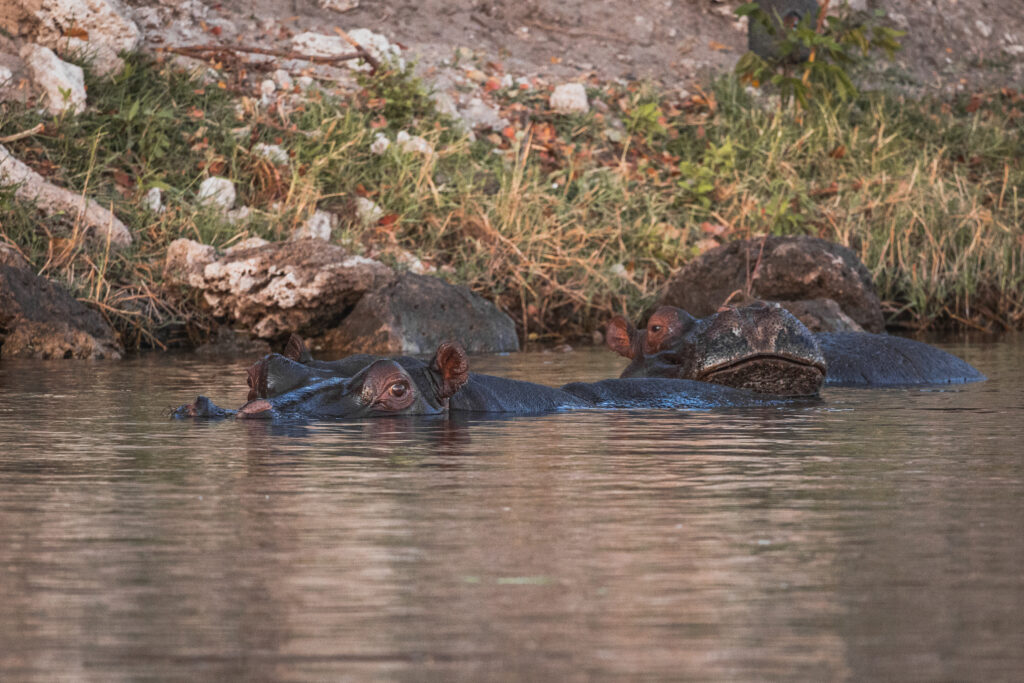
Wildlife sounds on the Chobe aren’t just about what you can easily recognise. The call of a fish eagle, hippos shifting in the water, elephants moving along the banks or across the river, these are all part of any safari and whilst these sounds are iconic, they quickly become familiar.
It’s later, once everything quietens down, that it changes.
When the vessel has settled for the night and the lights are off, the river feels different. You can sit out on your balcony, and without really trying, you start to notice more. Sound carries in a way it doesn’t during the day. It feels much closer and clearer.
You might hear elephants returning to the water long after sunset, moving slowly along the edge. Somewhere in the distance, lions begin calling to one another – low, deep huffs that travel across the river and settle in your chest. Hyenas pass through with their unmistakable laughing calls, and then, just as suddenly, it’s quiet again. A bushbuck barks somewhere along the bank, sharp and sudden, before everything softens once more.
And then there are the smaller sounds that are easy to miss. Something moving lightly through the undergrowth near the boat. The soft rhythm of nightjars or water thick-knees calling into the dark. The sense that there’s far more happening than you can actually see.
With one sense less, sight taken away your hearing sharpens and you don’t have to try as hard. You can just sit and listen.
Why a Safari on the Chobe River Is Different
A safari on the Chobe River stands apart because of how much of the experience you actually get to follow.
Out on the water, wildlife comes to the river to drink, feed, and move along the banks, which means you are already in the right place before anything begins. What sets it apart is everything that happens before and after the sighting.
You hear something first: a call, movement in the reeds, or a subtle shift along the bank, giving you time to focus, follow it, and watch the moment build. When the sighting happens, it feels connected to what came before, and because the pace is slower, there’s no need to move on. You can stay with it, watching how the animal behaves, how it moves away, and how the space settles again. A key here is that because it’s not a single road and crowded with vehicles competing for a sighting, the river guides keep their distance to make sure the animals are completely undisturbed.
There’s a sense of ease that comes with a river safari. The flowing river, birdsong, and the absence of noise create a calm, unhurried environment that soothes your mind and body. It’s the place where you naturally slow down.
Follow the Sounds of the Chobe
A soundscape safari is something you come to understand once you’re on the river. A stay on the Zambezi Queen or one of the Chobe Princess houseboats places you right in the middle of it, where you can listen, follow the clues, and watch each moment unfold from start to finish.
If this way of experiencing a safari speaks to you, it may be time to plan your own journey to the Chobe River.